Extend your visit:
Horst P. Horst. La Geometria della Grazia

Start your visit here: for each section of the exhibition, you will find exclusive insights into the life of Horst P. Horst at Le Stanze della Fotografia, creating bridges between online and offline with us.
Explore the history behind the shots
Horst P. Horst took his first steps into the world of photography with a gaze that goes beyond mere appearance.

Uta of Naumburg statue Germany, 1924
Printed later
Among the references that fascinated Horst from an early age is the celebrated “stone portrait” of Uta von Ballenstedt (c. 1000–1046), whom the writer Umberto Eco would later describe as “the most beautiful woman of the Middle Ages”. The sculpture stands in Naumburg Cathedral, near Weissenfels an der Saale, Horst’s birthplace.
Created in the thirteenth century by the anonymous artist known as the Naumburg Master, the work pays tribute to the founders and benefactors of the sanctuary and embodies the elegance and expressive power of German Gothic sculpture. In the twentieth century, it was appropriated by the Nazi regime and turned into an idealized symbol of Aryan beauty in its propaganda.
The sculpture encapsulates many of the qualities of feminine beauty that Horst would tirelessly bring to the fore in his own images.
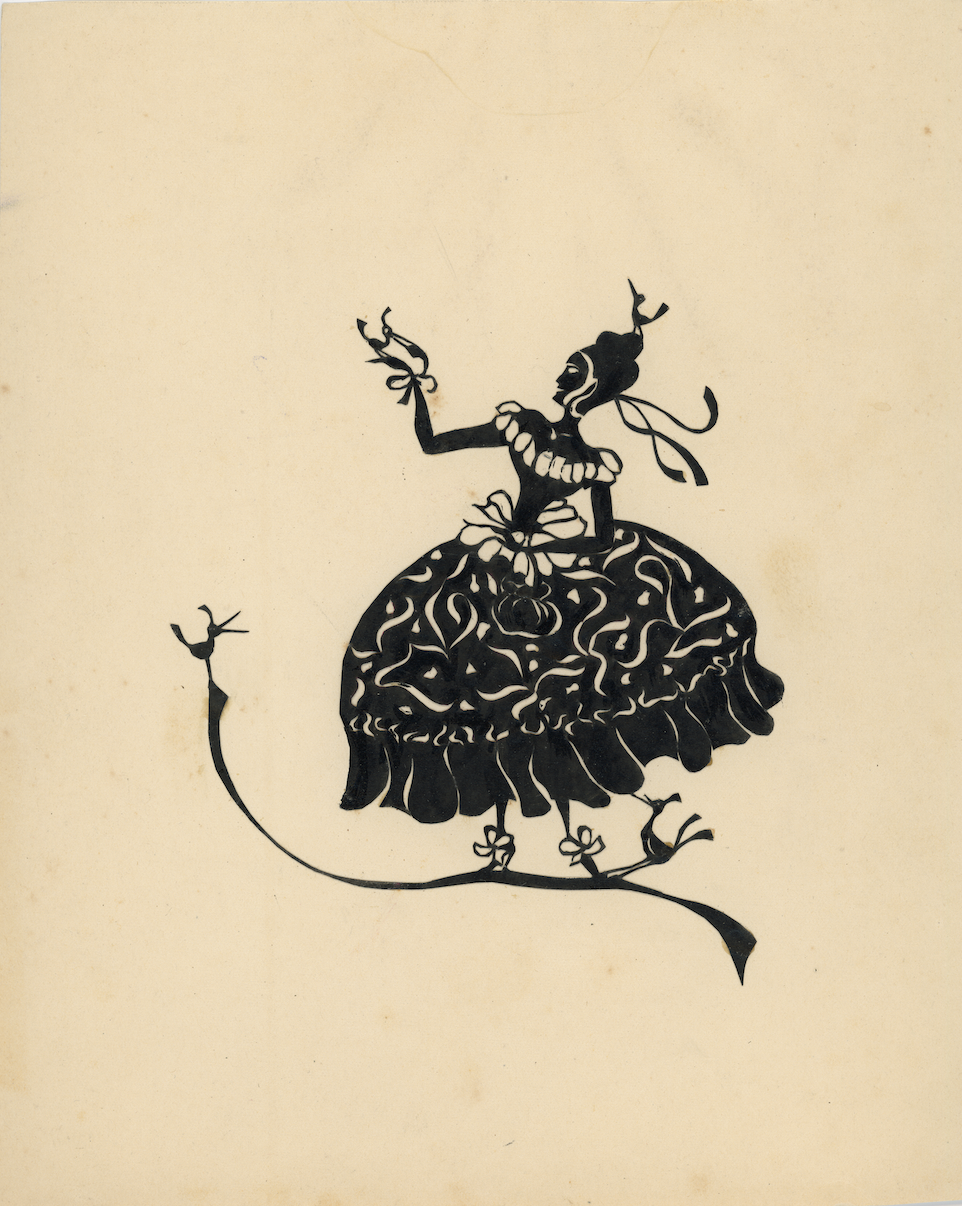
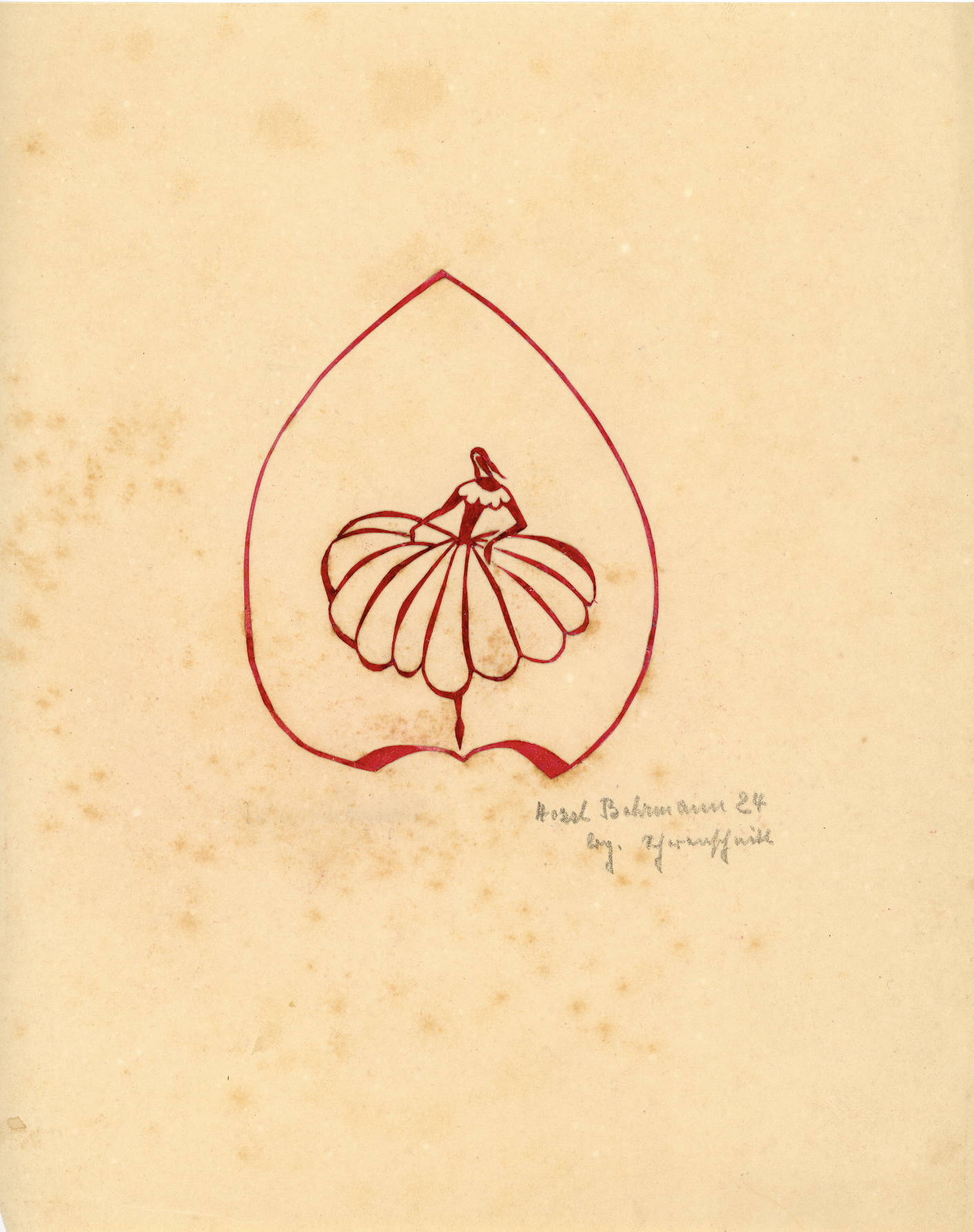
Paper cutouts by Horst P. Horst
c. 1923
In the early 1920s, Horst formed a close friendship with Eva Weidmann, a student at the Bauhaus in Weimar, where she studied singing, dance, and theatre under Oskar Schlemmer and Lothar Schreyer. A decisive influence, she deeply fascinated him and guided him toward the world of modernism.
Through her references to Isadora Duncan, Nietzsche, Kierkegaard, Paul Klee, Nacktkultur, and the rhythmic theory of Émile Jaques-Dalcroze, she opened his imagination to the artistic avant-gardes and to new conceptions of the body and movement. Both practiced Notan, a Japanese aesthetic principle based on the harmony of light and dark, by cutting paper forms.
This attention to silhouettes, shadows, and counterforms would later find a direct echo in Horst’s work, where the cast shadow becomes a central element of composition, functioning like an inverted presence at the heart of the image.
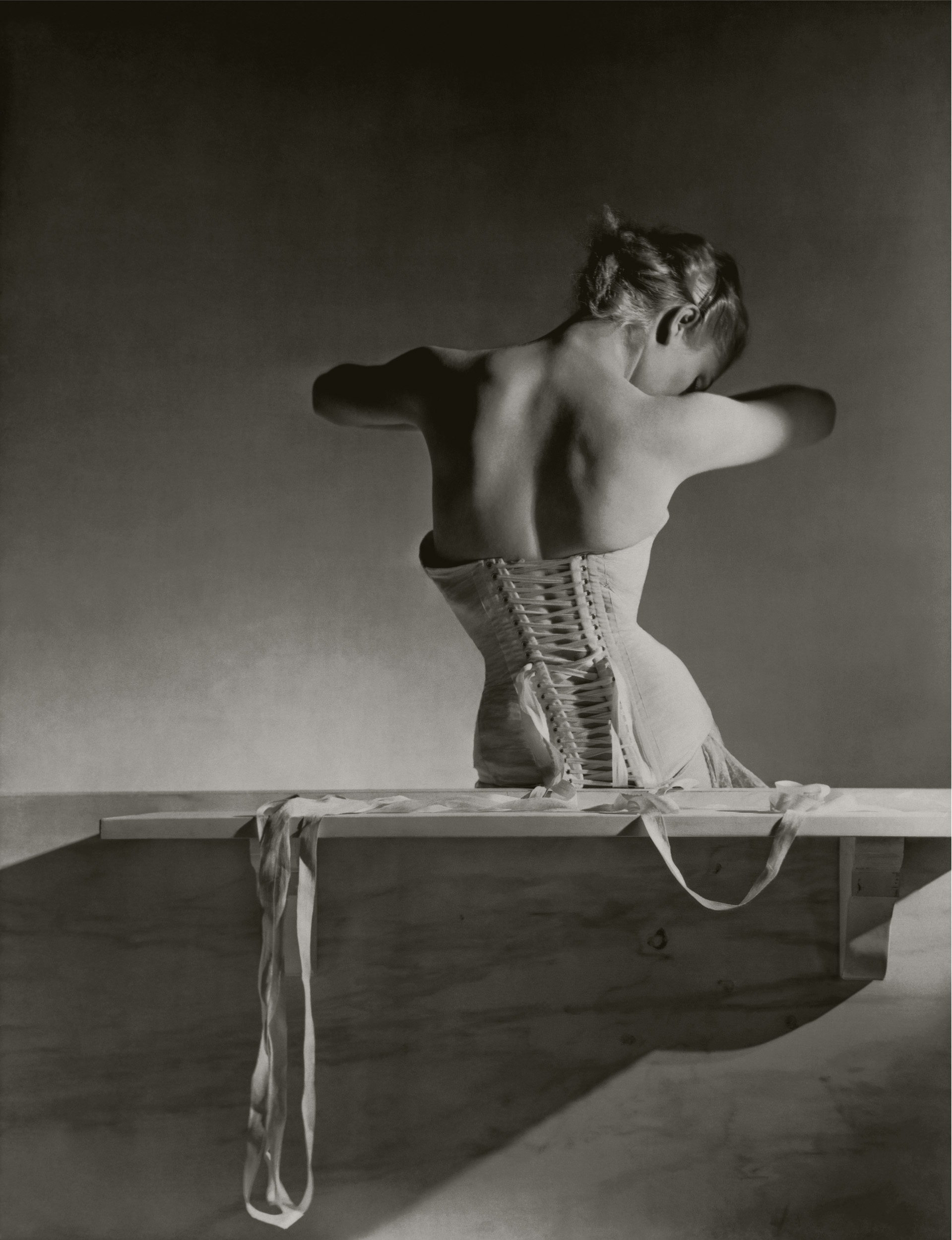
Madame Bernon, corset by Detolle for Mainbocher
1939
Printed later
I had never photographed a corset before. It wasn't easy. The light in the photo is more complex than you think. It looks as if there is only one light source. But there were reflectors and extra spotlights as well. I don't know how I did it. I couldn't repeat it. It was created by emotion. It was the last photo I took in Paris before the war. The photograph is peculiar - for me. While I was taking it, I was thinking of all that I was leaving behind. - Horst P. Horst
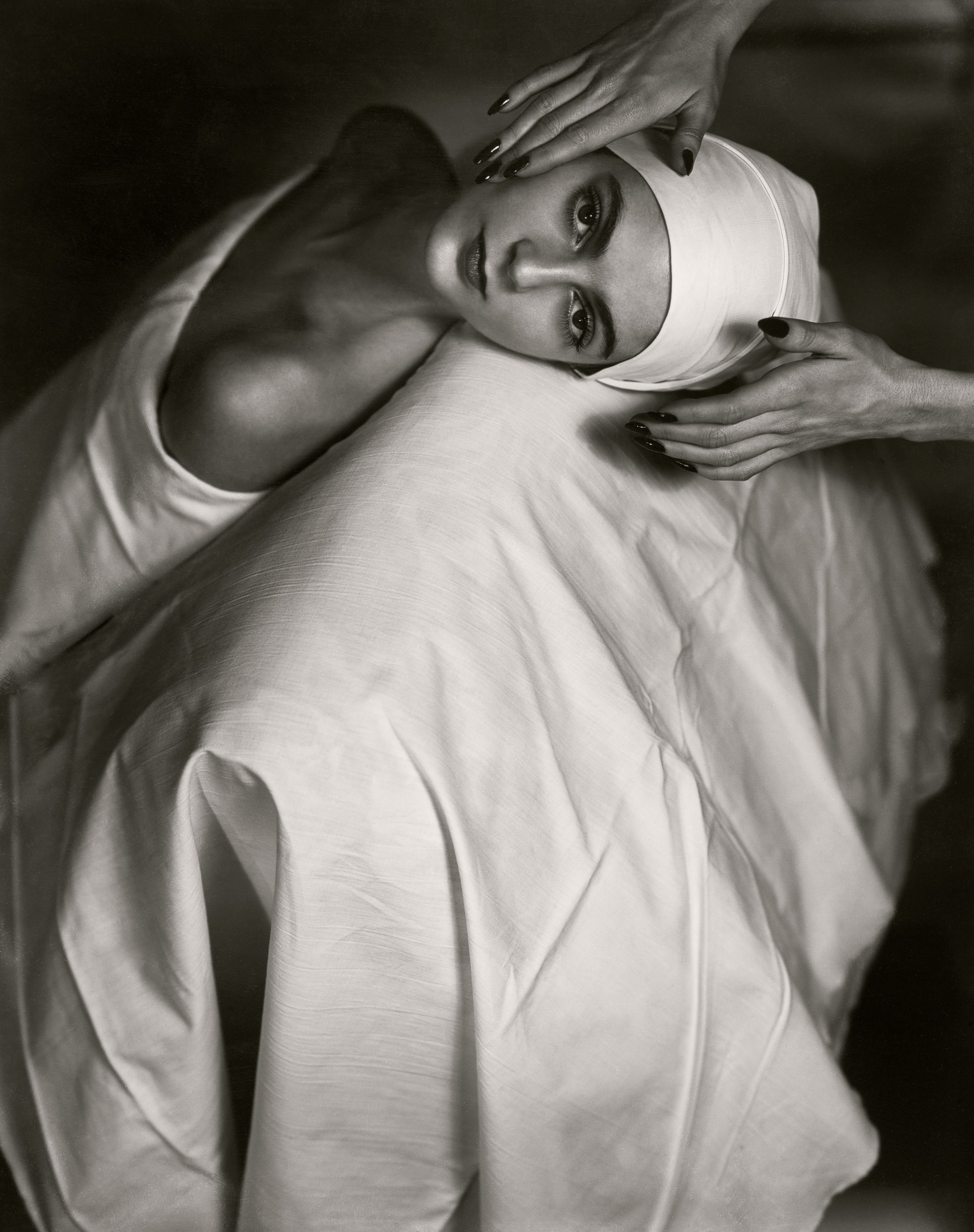
Carmen Dell'Orefice, Face Massage
Vogue America, New York, march 1946
Printed later
Little Carmen is the ideal painter's beauty… Her almond-shaped eyes are those of a Renaissance beauty…The planes of her face are those of a Botticelli page, her long neck that is Botticelli's figure of Spring…she is an American beauty of an antique other age. - Horst P. Horst
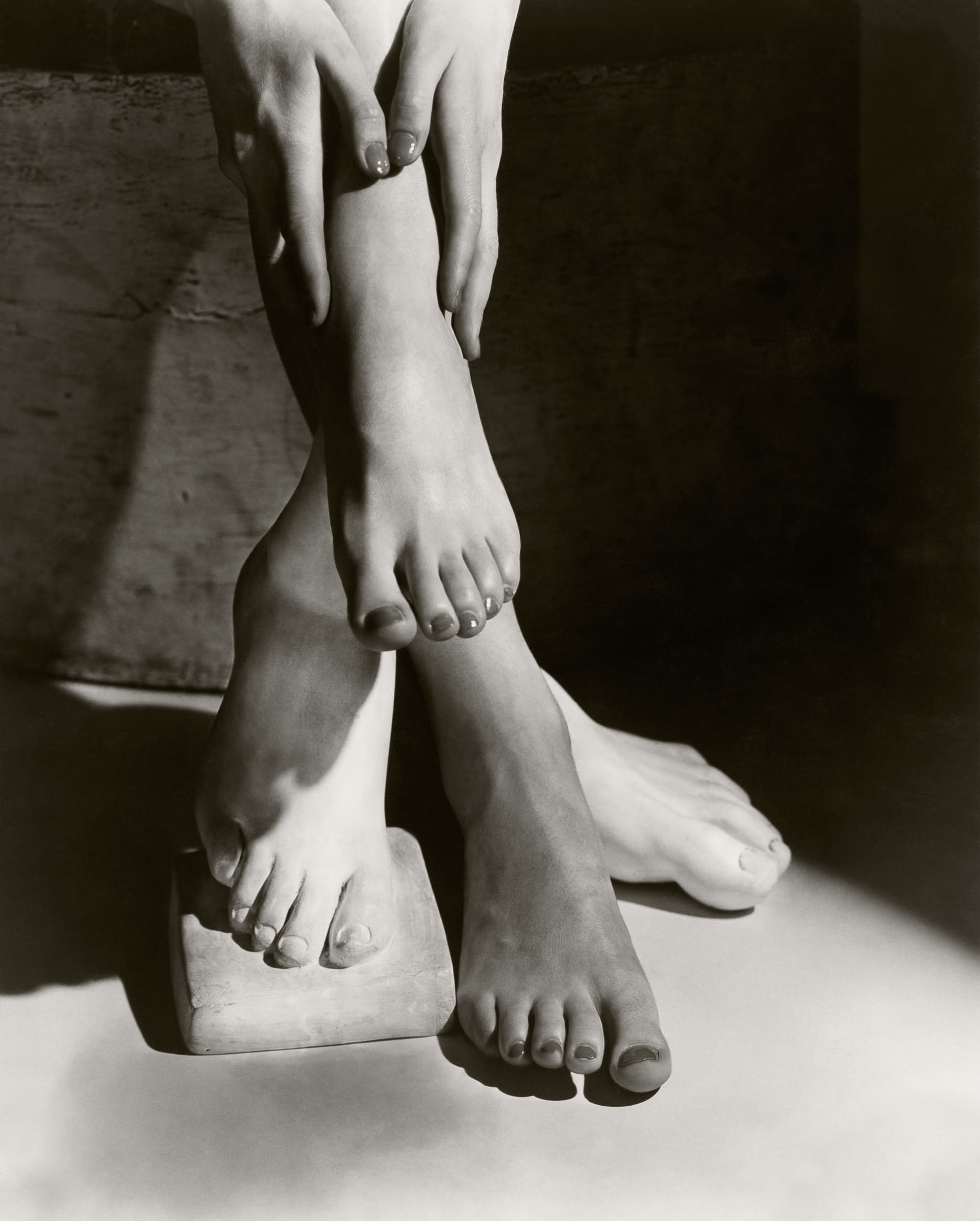
Barefoot Beauty, advertisement
Vogue, New York, 1941
Early print
The photograph was probably to show nail polish and how to take care of your feet. I used the plaster feet to make it more amusing. - Horst P. Horst
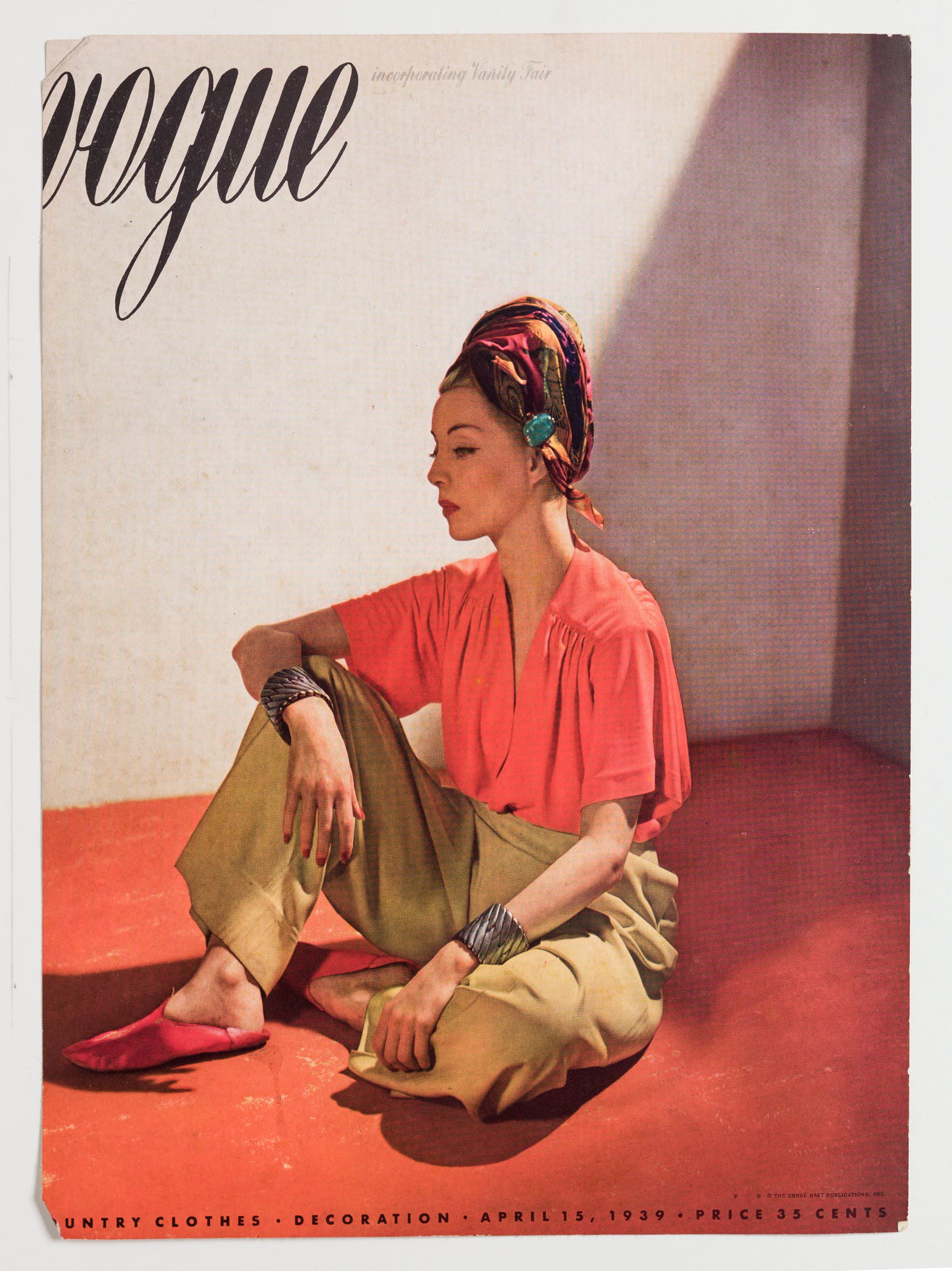
Helen Bennett modeling a jewel clasped turban and trousers, American Vogue cover
15th April, 1939
Vintage
The model wears a jewel clasped turban and trousers. The cover is revolutionary as trousers or slacks were a new fashion and talking point, and as a consequence this is the very first time trousers appeared on the cover of Vogue. This particular cover was published by British Vogue one month later.
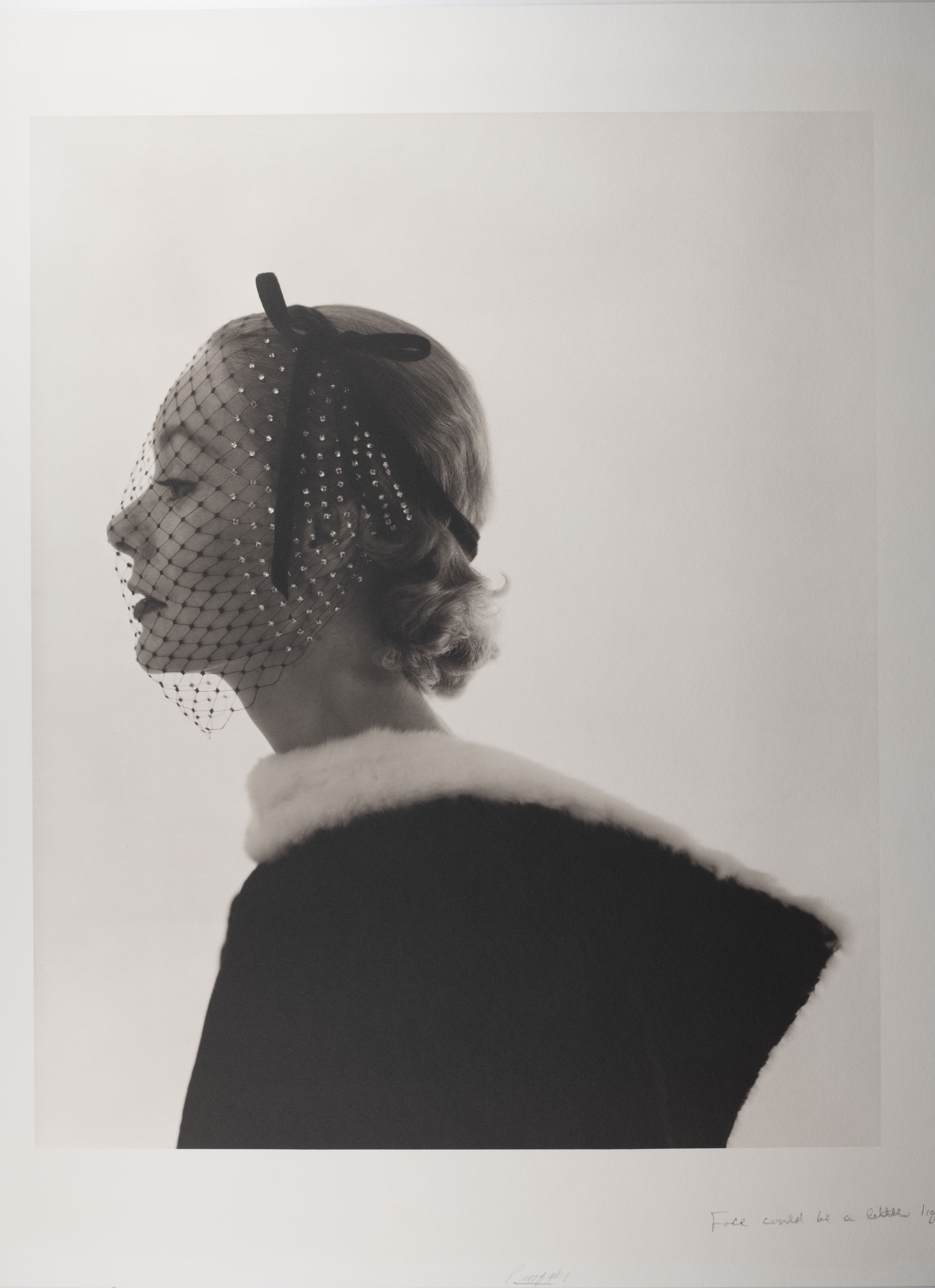
Nina de Voogh
Vogue, New York, 1951
Vintage print
This was one of the first photographs I took in my own studio. The Vogue studios had closed, and I had taken over the studio belonging to Tchelitchew. - Horst P. Horst
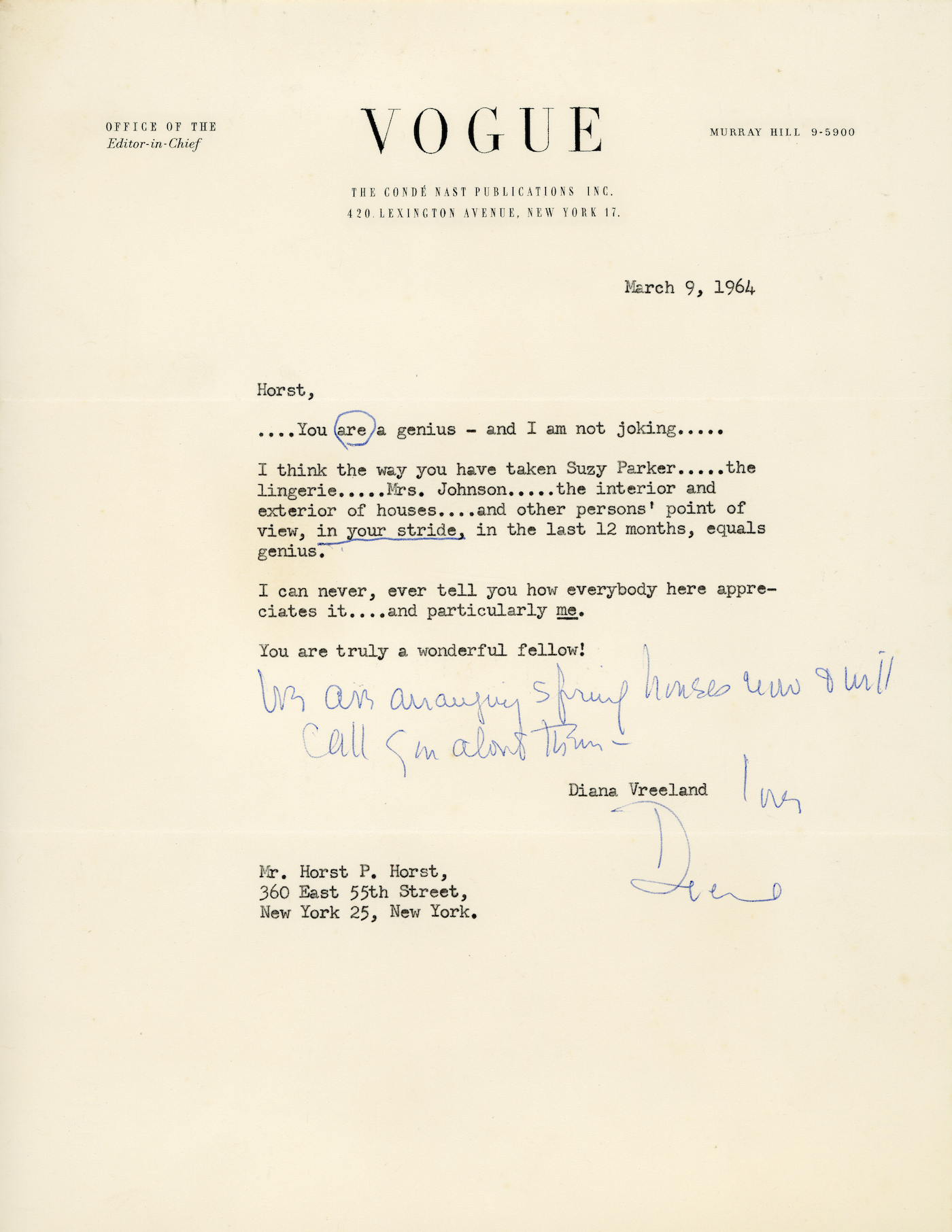
Letter to Horst from Diana Vreeland
9th March, 1964
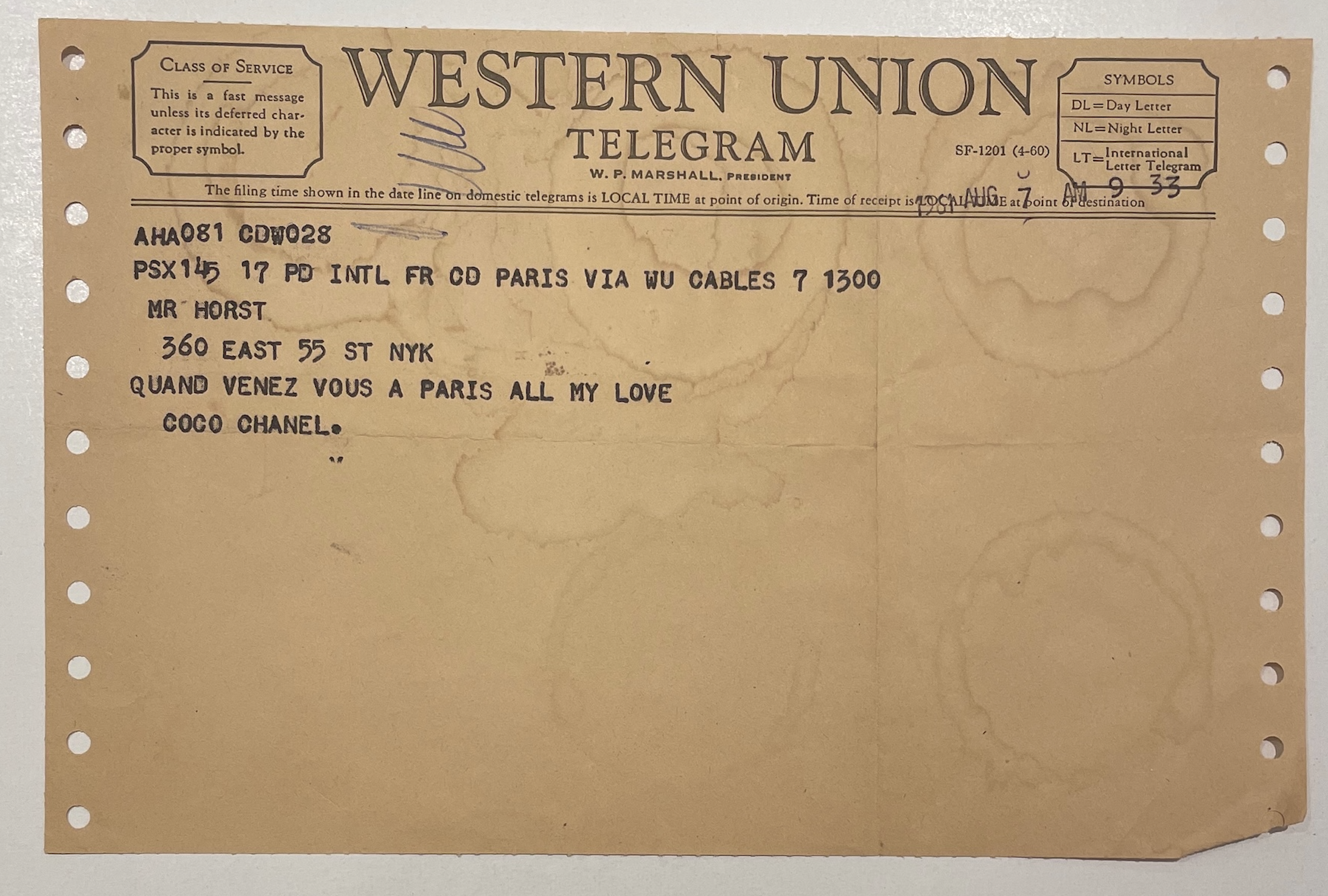
Telegram to Horst from Coco Chanel
7th August, 1961
Original document
When are you coming to Paris?
All my love
Coco Chanel

Lisa Fonssagrives, dress by Balenciaga
Vogue, 1951
Printed 1980s
This was the last time that Vogue sent me to Paris to photograph the collections. - Horst P. Horst
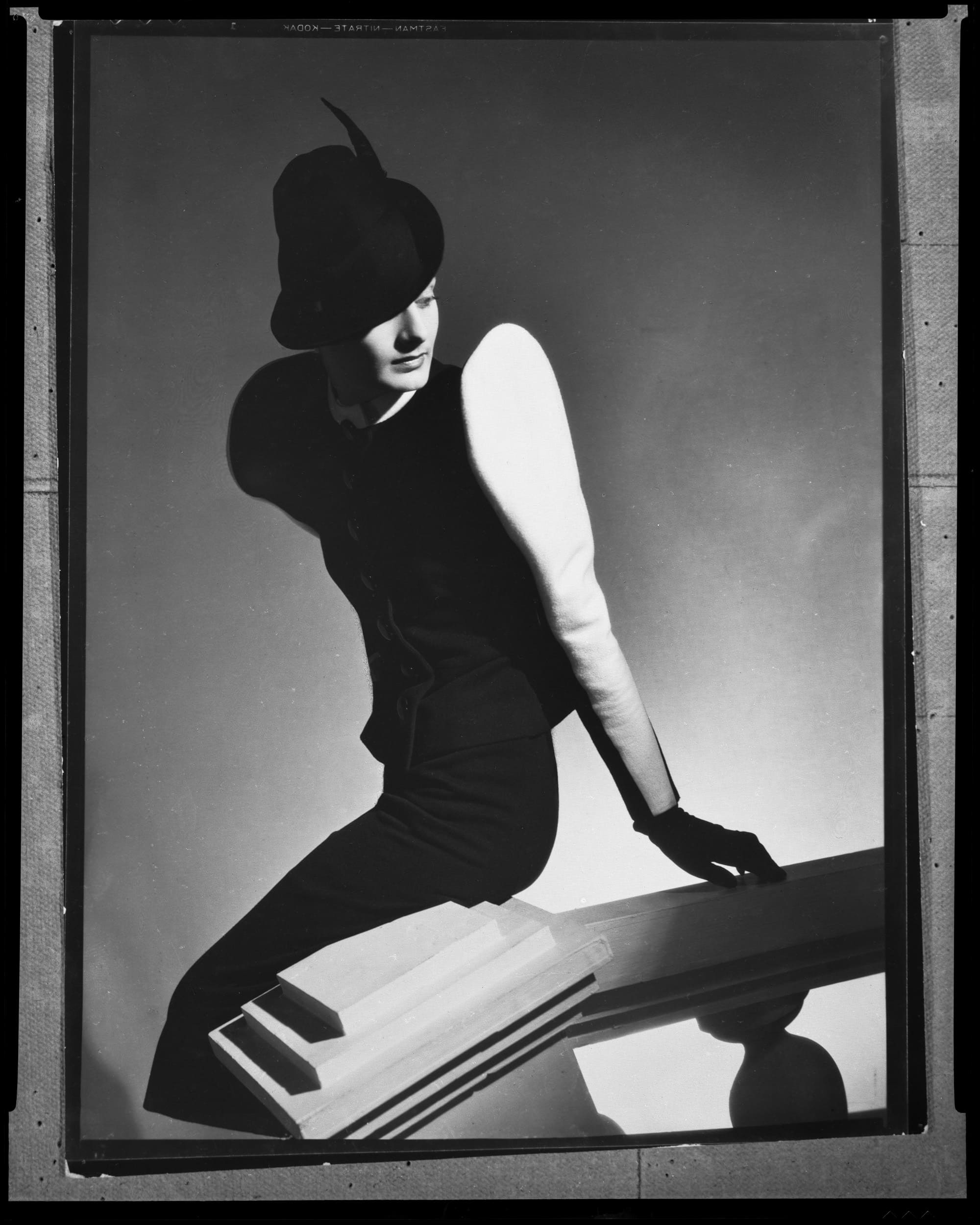
White Sleeve. Doris [Lyla] Zelensky modeling a suit by Robert Piguet, hat by Suzanne Talbot
Paris, 1936
Vintage print
The model is Doris [Lyla] Zelensky, a Russian refugee, living in Paris.
She knew how to wear dresses. I accentuated the important part of the dress and chose not to show the whole thing. - Horst P. Horst
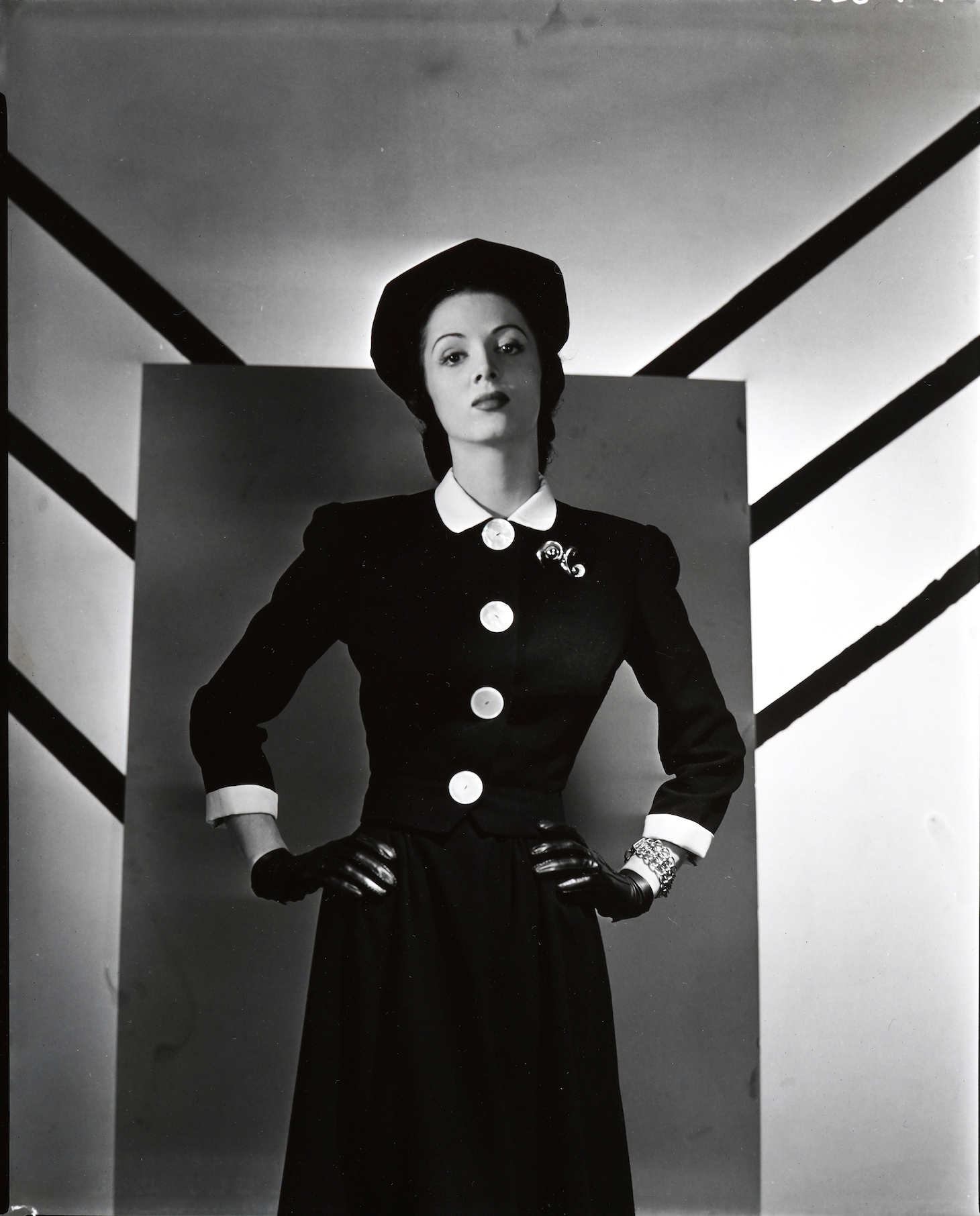
Valentyna Sanina-Schlee modeling a black evening gown
Vintage print
Ukrainian designer Valentyna Sanina-Schlee, aka Mrs. George Schlee. She has created looks for Greta Garbo, Katharine Hepburn, Marlene Dietrich and other movie stars, participated in the formation of American couture and is the only Ukrainian designer whose clothes are represented in the leading American fashion museums such as the Fashion and Textile Museum and the Costume Center of the Metropolitan Museum of Art.
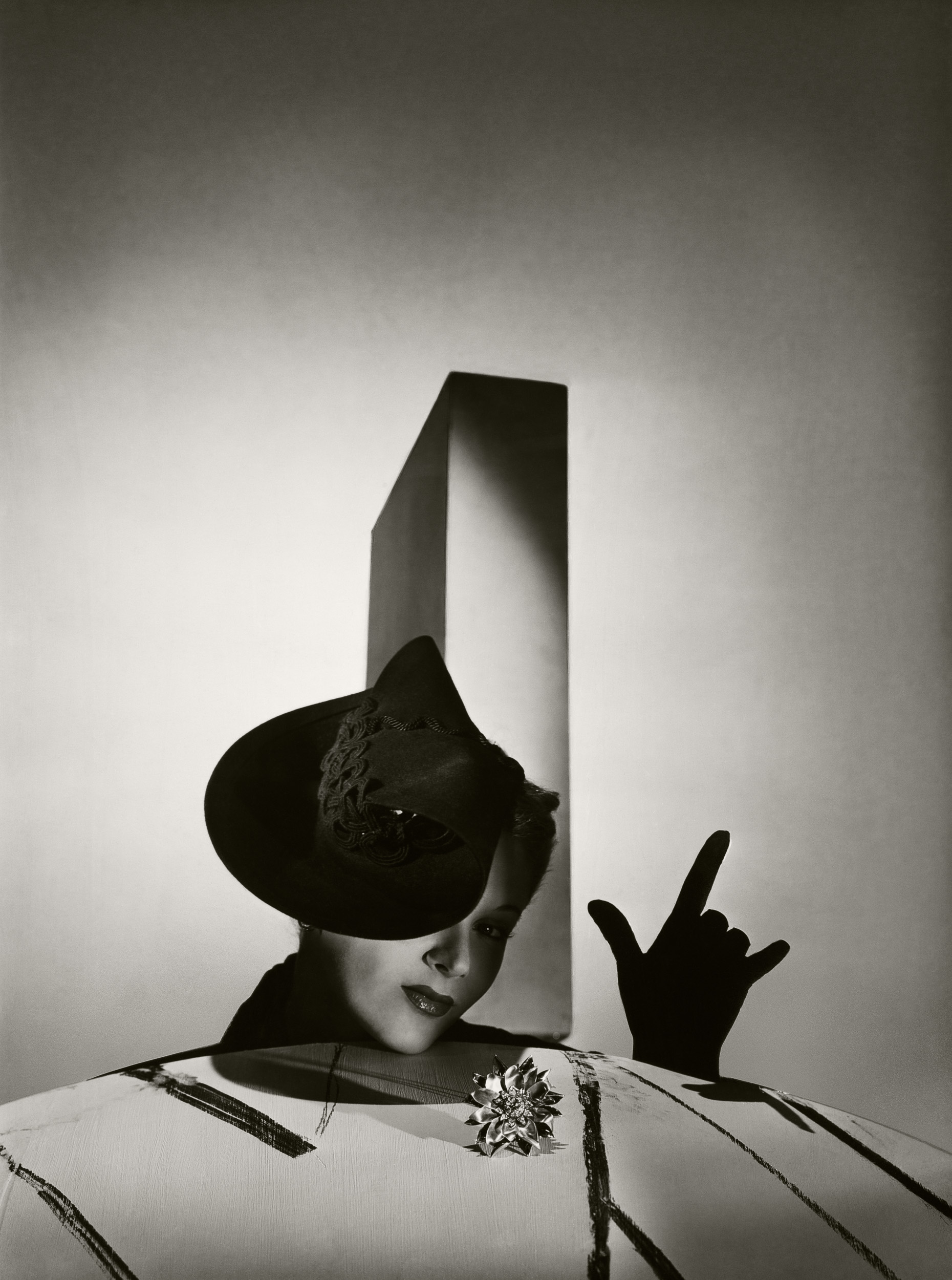
Lisa Fonssagrives modeling a hat by Suzy, jewellery by Boucheron
1938
Vintage print
This photograph shows the influence of the surrealist movement. The only surrealist I knew was Dali, because the rest were anti-Cocteau. They thought he was rock-bottom−too much in society, too homosexual. Eluard went to the opening of Cocteau's play La Voix humaine and stood up and cried out 'Obscene!' until they took him away. - Horst P. Horst

Classical Still Life
1937
Printed 1980s
I took this for Eleonora von Mendelssohn, who needed a design for a needlepoint she wanted to make to show Toscanini that she was doing something. - Horst P. Horst
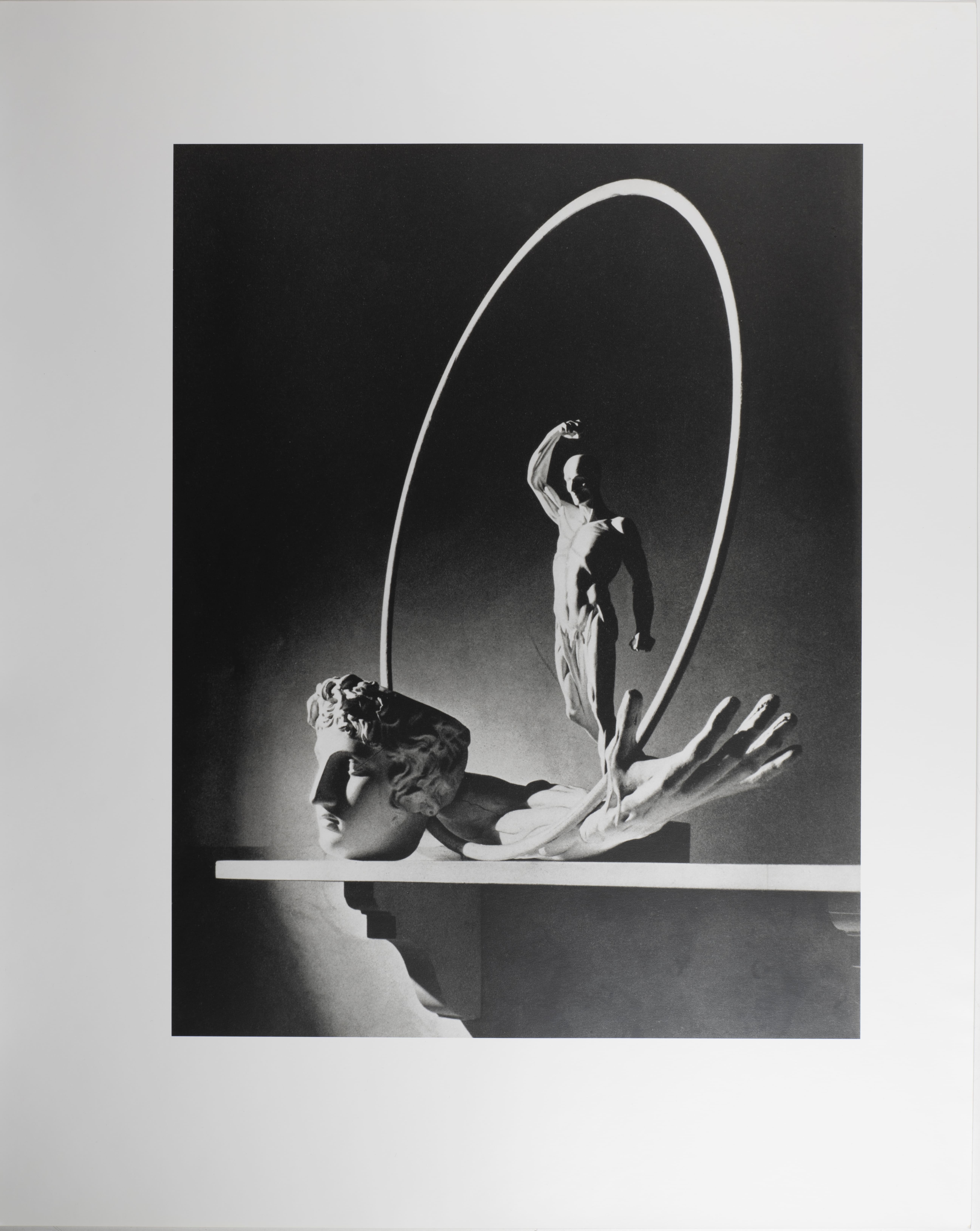
Still Life, Houden, Hoop
1937
Printed 1980s
I used to go to the Louvre, in the 1930s, to study the famous statues and portraits there and to learn from the example of the great artists of the past. - Horst P. Horst

Marlene Dietrich
USA, 1942
Vintage print
I like taking photographs, because I like life. And I like photographing people best of all, because most of all I love humanity. - Horst P. Horst (1982)
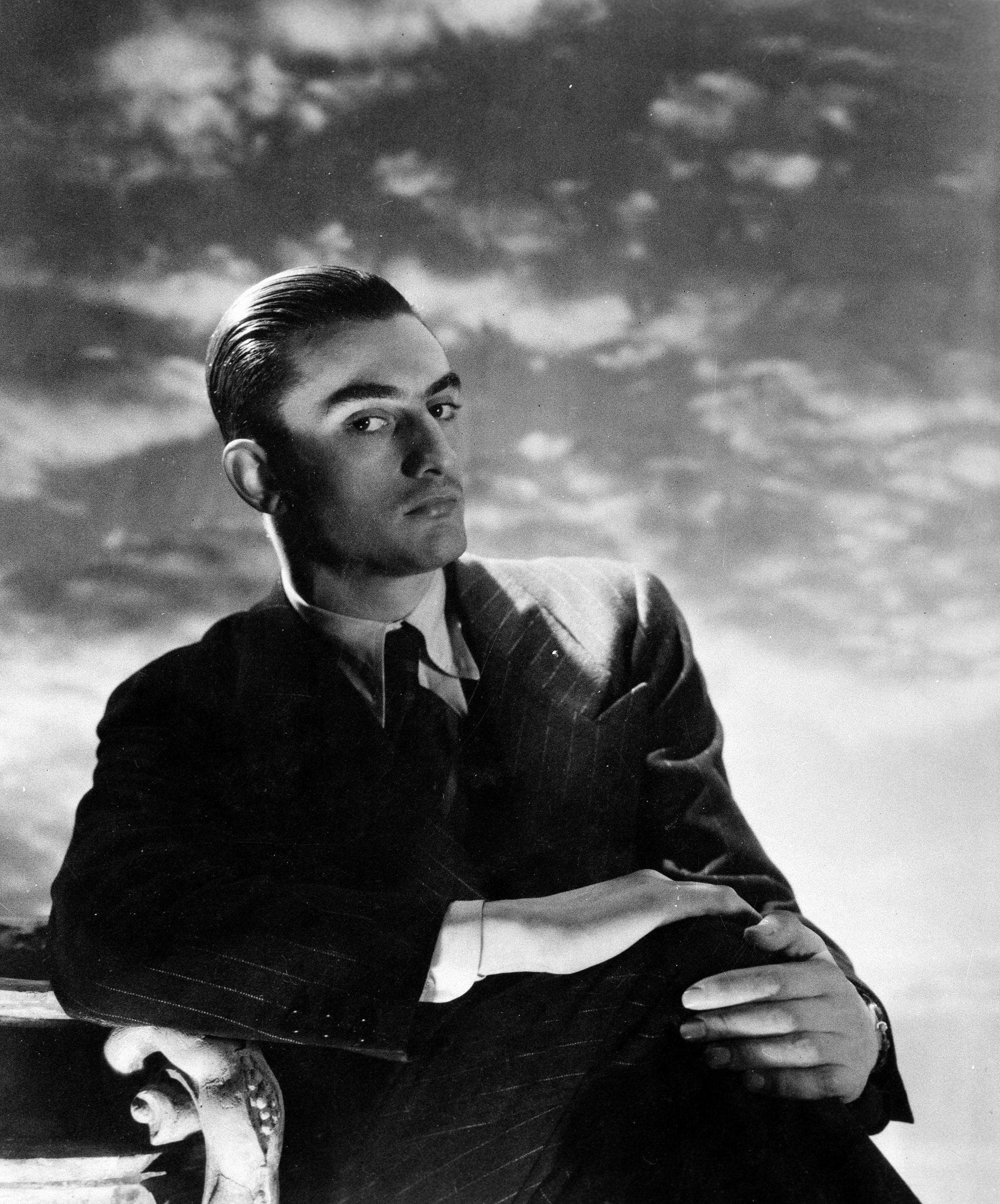
Luchino Visconti
Paris, 1936
Printed later
Here, Horst has photographed Visconti in the studio as the elegant young man of European society. "He had probably never before been in a photographer's studio. He is hesitant, distant, condescending; an air of superiority shows in his face. Visconti and I both loved to design sets and backgrounds like the one I created for his portrait. - Horst P. Horst
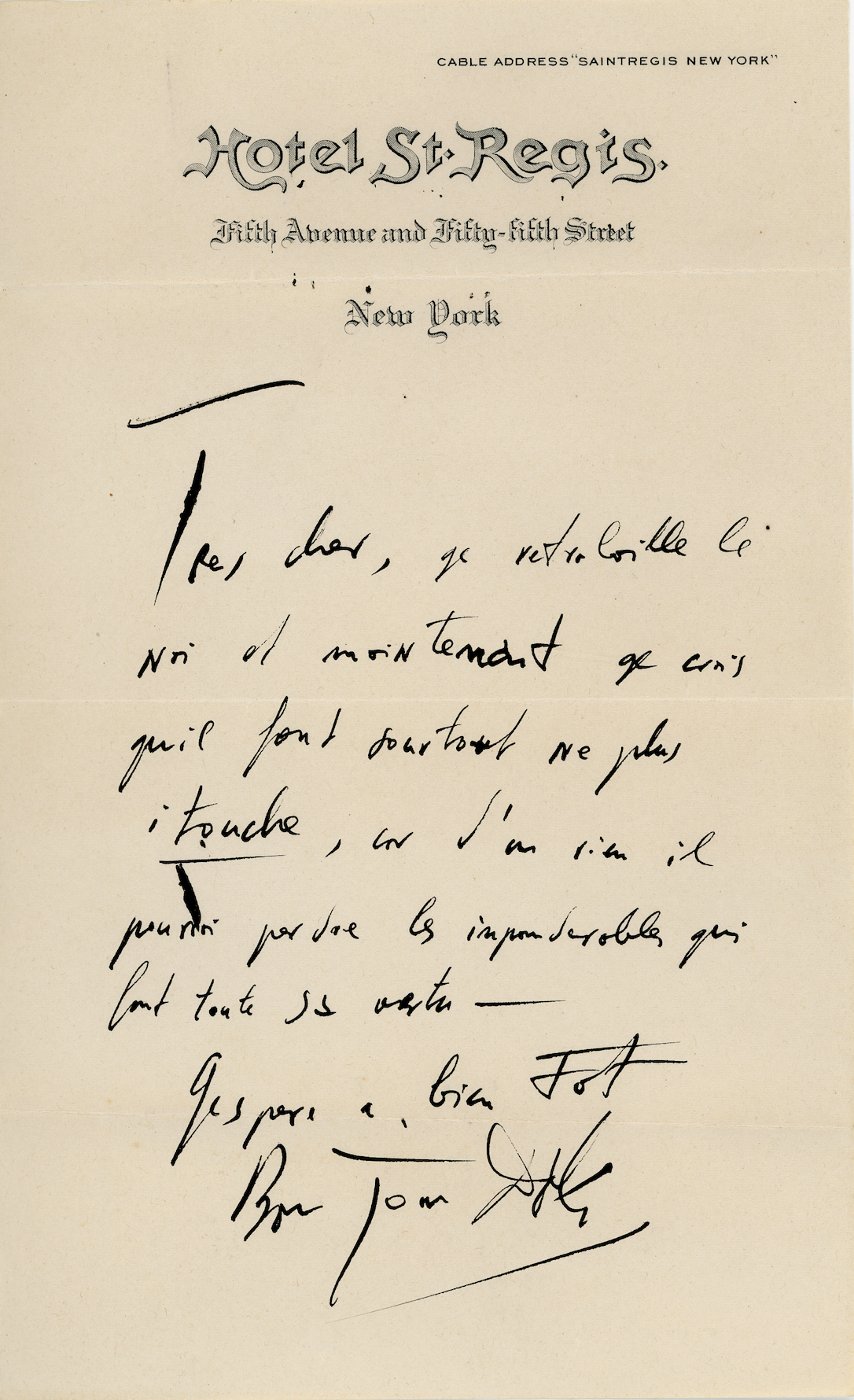
Letter to Horst from Salvador Dalí
Original document
Hotel St Regis, Fifth Avenue and Fifty-fifth Street
My dear friend, I am reworking the [nose??] and now I believe that it is best not to touch it anymore, because the slightest change could destroy the imponderables that make it so special.
I hope to see you soon. Good day.
Dalí
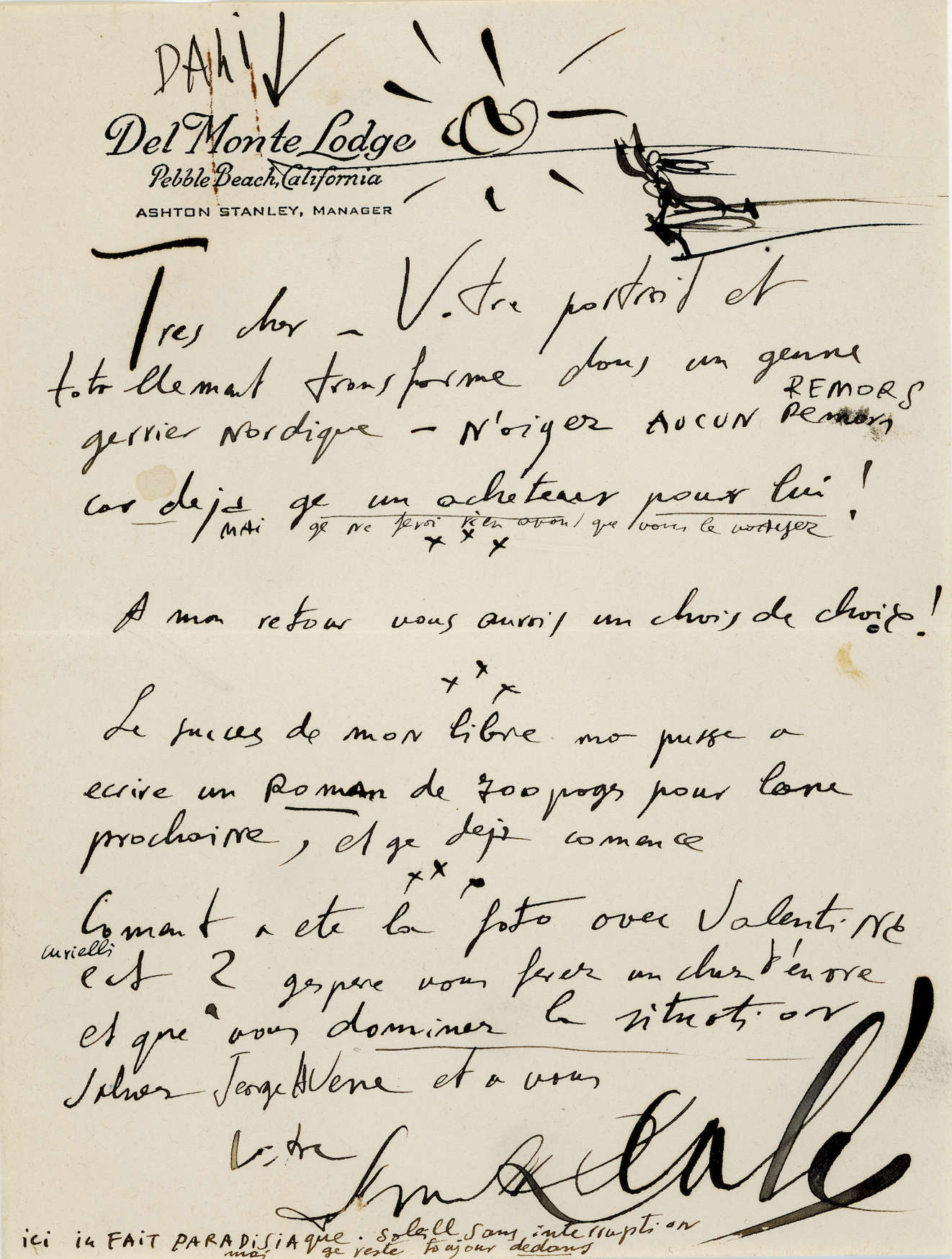
Letter to Horst from Salvador Dalí
Original document
Del Monte Lodge, Pebble Beach, California
Dearest,
Your portrait has been completely transformed into a Nordic warrior style – don't worry, I already have a buyer for it! But I won't do anything without your approval. When I return, you'll have a choice of choices! The success of my book has inspired me to write a 700-page novel for next year, and I have already started.
How did the photo shoot with Valentine and [??] go? I hope you will make a [??] and dominate the situation. [...] and to you.
It's heavenly here. Non-stop sunshine. But I'm still staying indoors.
Dalí
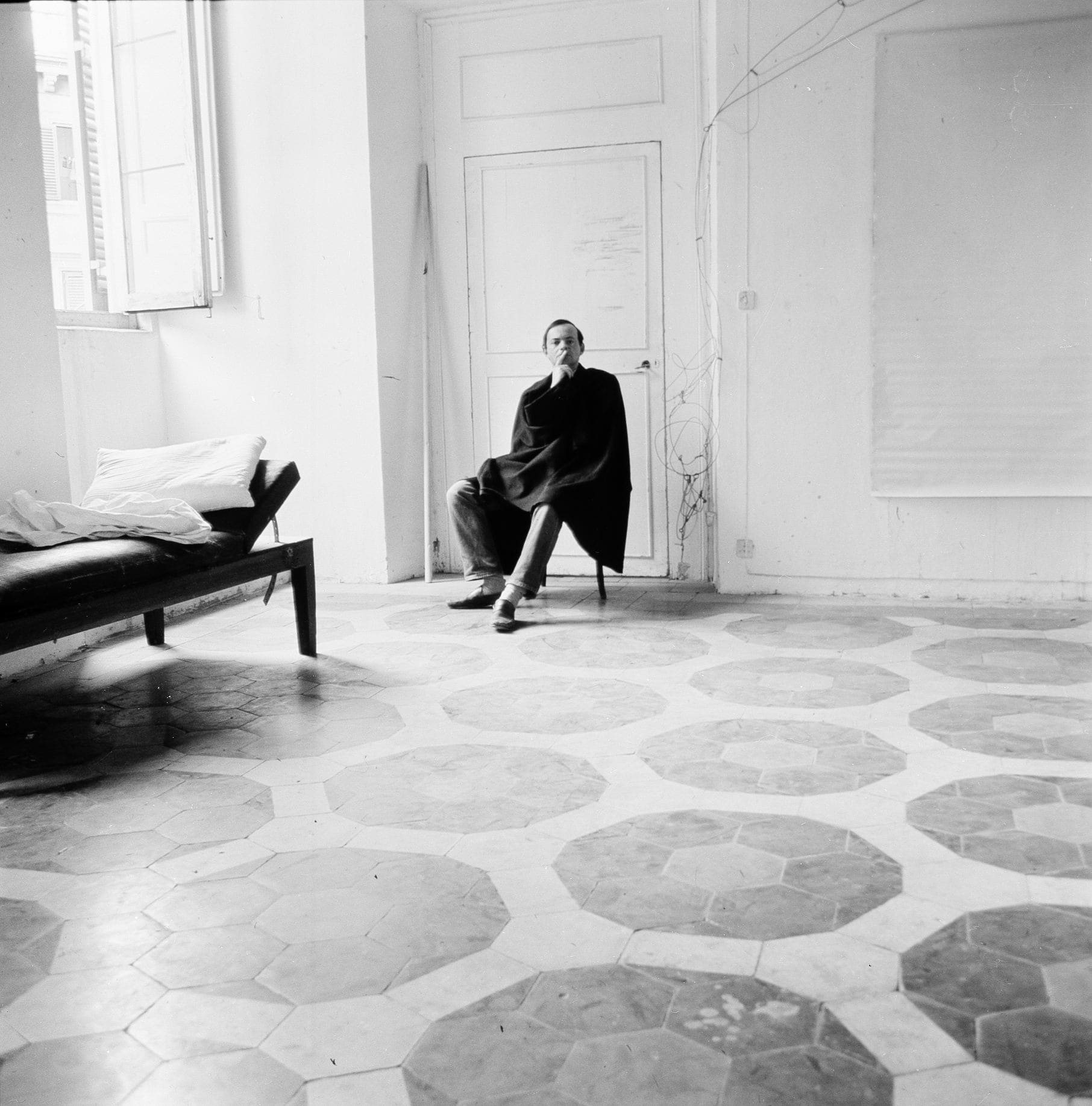
Horst P. Horst and Cy Twombly met in the early 1960s at Gore Vidal’s villa overlooking the Amalfi Coast. The artist agreed to be photographed for Vogue. With the support of editor-in-chief Diana Vreeland, Horst, accompanied by Valentine Lawford, went on to produce a series of features devoted to the homes of leading figures from the artistic and cultural world. While these interiors were often lavish, none matched the singular atmosphere and raw elegance of the seventeenth-century Roman apartment of Twombly and his wife, Luisa Tatiana Franchetti, described by Lawford as “a space in constant transformation.”
The generous proportions of the palazzo provided an ideal setting for Twombly’s large-scale paintings, which were moved and rehung over time in dialogue with ancient busts and works by his contemporaries. Horst captured this balance between staging and spontaneity, revealing a place where antiquity, modern creation, and everyday life coexist. Published in 1966, these photographs offer both an intimate, multifaceted portrait of Twombly and a timeless vision of a space in which art and life are inextricably intertwined.
In 1966, when I photographed him, he was hardly known to the New York art world. But Castelli exhibited his paintings, and today his work hangs in American and European museums. Twombly married Tatiana Franchetti, who is descended through her mother from the Borgias and Amerigo Vespucci. - Horst P. Horst
Discover the exhibition with the curators Anne Morin and Denis Curti👇
The life of Horst P. Horst
The story of Horst P. Horst is a journey of light and shadow, rigor and grace—a narrative that transcends simple fashion photography. His images strike a perfect balance between harmony and architecture, capturing the essence of timeless elegance. It is precisely for this reason that his work continues to captivate generations of enthusiasts.


«I prefer to consider elegance as a form of physical and mental grace that has nothing to do with pretentiousness.»
Horst P. Horst


Stay connected!
Subscribe to Le Stanze della Fotografia’s newsletter to receive updates, events, and exclusive content related to the Robert Mapplethorpe exhibition.


